
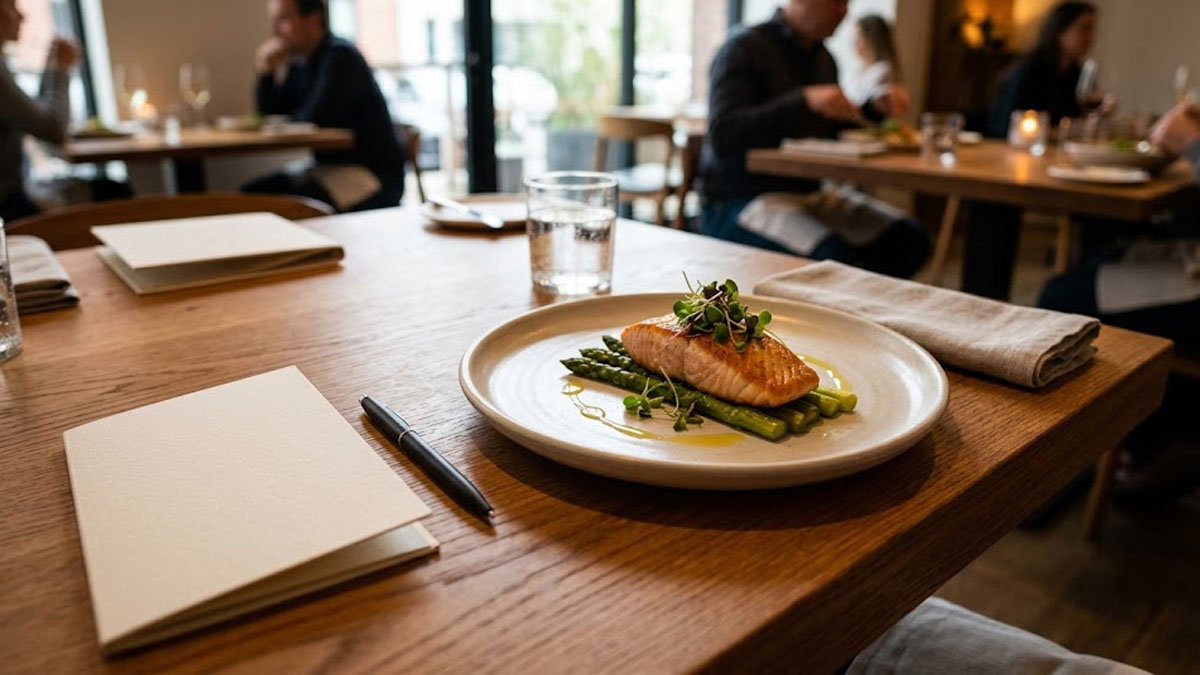
If you have stepped into a modern bistro or trending eatery recently, you might have noticed something missing: the giant, spiral-bound leather folder packed with 80 different meal choices.
Gone are the days when a single diner could flip through pages of pasta, burgers, stir-fries, and wood-fired pizzas under one roof. Today, menus look more like curated pocket guides often listing no more than eight to twelve entrées.
This dramatic shift isn’t an accident, nor is it just a temporary aesthetic fad. Restaurants are quietly waging a war on choice, and the reasons behind the minimalist menu movement say a lot about how economic pressures, kitchen operations, and human psychology are reshaping the way we eat out.
The Mental Toll of the 50-Item Menu
Have you ever sat at a restaurant table, staring at a massive menu, feeling a creeping sense of anxiety as the waiter approaches? Psychologists call this decision fatigue, or the “Paradox of Choice.”
When presented with dozens of options, our brains don’t feel liberated they feel overwhelmed. We spend more time worrying about making the wrong choice than enjoying the experience. Worse, even after ordering, diners with too many choices report lower satisfaction with their meal because they constantly wonder if the dish they skipped would have been better.
By limiting options to a concise selection, restaurants eliminate the mental tax of dining out. A focused menu creates a streamlined, stress-free decision process, allowing guests to relax and trust the kitchen’s vision.
The Reality of Kitchen Economics and Inflation
Behind the dining room door lies a stark financial reality: wide menus are expensive to maintain.
In an era of rising food costs, unpredictable supply chains, and labor shortages, carrying inventory for 50 distinct dishes is a recipe for heavy waste. Ingredients that aren’t ordered regularly spoil, eating directly into a restaurant’s already paper-thin profit margins.
A minimalist menu allows chefs to double down on fewer, higher-quality ingredients that can be cross-utilized efficiently. Buying larger quantities of fewer items gives restaurants better leverage with suppliers and keeps inventory fresh, dramatically reducing food waste.
The Rise of Speed, Efficiency, and Precision
A short menu fundamentally changes how a kitchen operates. Instead of line cooks scrambling to prepare dozens of drastically different recipes during a rush, they master a tightly curated set of signature dishes.
This focus brings three massive benefits to the dining experience:
- Faster execution: Meals arrive at your table quicker becauseprep work is streamlined.
- Consistency: When a chef cooks the same eight dishes every night, quality control stays exceptionally high.
- Better kitchen pacing: Smaller menus decrease ticket times, allowing restaurants to turn tables faster without making guests feel rushed.
What the Minimalist Menu Says About Modern Diners
The shift toward simpler menus reflects a deeper evolution in consumer psychology:
We Value Expertise Over Variety
Today’s diners no longer expect one restaurant to master five different cuisines. We prefer specialists over generalists. If we want authentic ramen, we go to a dedicated ramen shop; if we want smash burgers, we seek out a spot that does only that. A brief menu signals confidence, it tells the customer, “We do these few dishes exceptionally well.”
We Seek Authenticity and Seasonality
A 10-page menu usually means one thing: frozen, mass-produced ingredients stored in giant walk-in freezers. Conversely, a one-page, minimalist menu suggests fresh, seasonal produce sourced locally. Modern diners care deeply about transparency, sustainability, and quality over sheer quantity.
The next time you sit down and find a menu with only a handful of options, don’t feel restricted. It is a sign that the restaurant prioritizes quality, respects your peace of mind, and is focused on doing a few things with mastery rather than everything with mediocrity.