
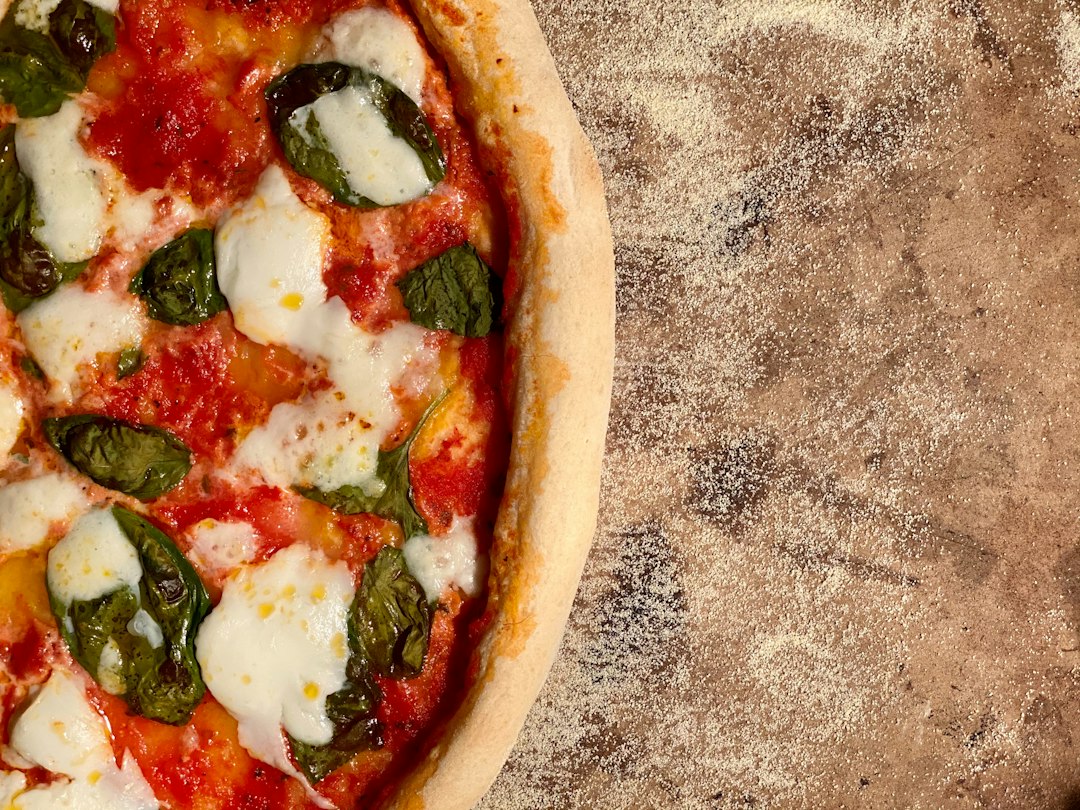
Fresh mozzarella is one of the pleasures of a great pizza. It melts into soft, milky pools, balances the sweetness of tomato sauce, and gives a Margherita its unmistakable character. But if you have ever pulled a homemade pizza from the oven only to find a watery center and a limp slice, the cheese may be part of the problem.
That does not mean fresh mozzarella is the wrong choice. It simply contains more moisture than many low-moisture cheeses, and that water has to go somewhere when the cheese heats up. With a few small adjustments, you can keep the creamy texture while giving the crust a better chance to stay crisp.
Why fresh mozzarella releases so much liquid
Mozzarella sold fresh is usually stored in water, brine, or whey to protect its delicate texture. That moisture is part of what makes it tender and pleasantly milky. During baking, however, the cheese warms, its protein structure changes, and liquid can escape onto the pizza.
The effect becomes more noticeable when the dough is thin, the sauce is very wet, or the oven is not hot enough to cook the base quickly. Instead of evaporating efficiently, excess liquid can collect in the middle of the pie. The result is often a browned rim surrounding a soft, undercooked center.
Low-moisture mozzarella behaves differently. It contains less water and is designed to melt in a more predictable way, which is why many pizzerias use it for classic American-style pizza. Fresh mozzarella, meanwhile, brings a softer melt and a more delicate dairy flavor. Neither is automatically better; they simply suit different styles.
The easiest fix: drain it before it reaches the dough
If you are using fresh mozzarella, start by removing it from its liquid well before assembling the pizza. Slice or tear it into manageable pieces, spread them on a plate lined with paper towels, and let them drain in the refrigerator for around 30 minutes. Pat the surface gently before using it.
For especially wet mozzarella, give it more time. Some varieties are much wetter than others, so judge by the texture rather than following the clock rigidly. The cheese should still feel soft and moist, but it should not be dripping when you place it on the pizza.
Avoid squeezing the cheese aggressively. Pressing too hard can crush its delicate structure and leave you with uneven pieces. Gentle draining is usually enough to remove surface liquid without sacrificing the creamy bite that makes fresh mozzarella appealing.
Think about size and placement
Large, thick chunks take longer to heat through and can release a concentrated puddle of liquid in one spot. Smaller pieces distribute more evenly and make it easier to control how much cheese goes on each slice. Tear the mozzarella by hand or cut it into modest slices, leaving a little space between pieces rather than covering every inch of the sauce.
Resist the temptation to use more cheese simply because the pieces look small. Fresh mozzarella expands visually as it softens, and a light, balanced layer often tastes better than a heavy blanket. If you want a richer finish, add a few fresh pieces after baking instead of loading the pizza before it goes into the oven.
Do not overlook the sauce and oven
Cheese is only one part of the moisture equation. A watery sauce can soak the dough before the crust has time to set. If your tomatoes are particularly loose, drain a little excess liquid or simmer the sauce briefly to concentrate it. Use a thin layer: the sauce should season the dough, not flood it.
Heat matters just as much. Preheat your oven thoroughly and use a preheated pizza stone or baking steel if you have one. These surfaces transfer heat quickly to the base, helping it firm up before toppings have time to release too much moisture. Follow the temperature limits and safety guidance for your equipment, and allow enough preheating time for the surface itself—not just the air in the oven—to become hot.
If your oven runs cooler than a professional pizza oven, consider using slightly less cheese and sauce. A home oven needs a little more help to drive off moisture, especially when the pizza is thick or heavily topped.
When should you add the mozzarella?
For a fast-baking pizza, drained fresh mozzarella can go on before baking. If your oven takes longer to brown the crust, try adding some of the cheese partway through the bake, once the dough has started to set. This gives the base a head start and reduces the time the cheese spends releasing liquid.
You can also combine cheeses. A modest amount of low-moisture mozzarella provides an even melt, while a few pieces of fresh mozzarella deliver the milky flavor you want. Finish with fresh basil after baking so the leaves stay fragrant rather than blackened.
A better slice without giving up fresh mozzarella
The goal is not to remove every trace of moisture. A pizza with no moisture would be dry, and fresh mozzarella should remain tender. The trick is to control excess water so the dough can bake properly and the toppings stay balanced.
Drain the cheese, keep the pieces reasonably small, avoid overloading the pizza, use a restrained layer of sauce, and preheat your baking surface thoroughly. These changes are simple, but together they can make the difference between a soggy center and a slice that holds its shape while still delivering the soft, creamy cheese that makes fresh mozzarella worth using.
Photo credit: Marco Breier / Unsplash.