
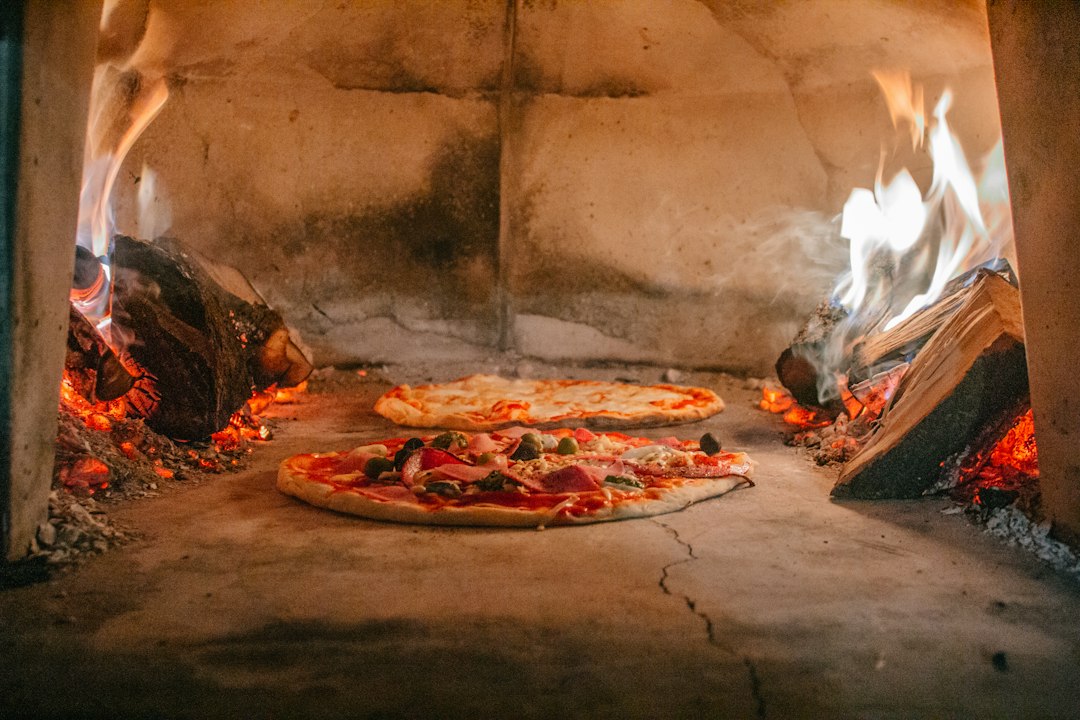
Some pizzas arrive at the table with a pale, even crust. Others have dramatic dark freckles scattered around a puffed, golden rim. Those spots can look burnt at first glance, but on a well-made Neapolitan-style pizza, they are often part of the appeal. The pattern is commonly called “leopard spotting,” and it comes from the way dough responds to fermentation and intense heat.
Still, not every black mark means the same thing. A few dark blisters can add a roasted aroma and contrast to the soft interior, while a crust that tastes bitter or is blackened all over may simply be overcooked. Understanding the difference can help you judge a pizza—and get closer to the same effect at home.
How leopard spotting forms
Pizza dough is a mixture of flour, water, salt, and yeast or another leavening culture. During fermentation, yeast produces carbon dioxide and other compounds that influence the dough’s texture and flavor. Enzymes also break down some of the flour’s starches into simpler sugars.
When the shaped dough meets intense oven heat, small areas on the surface heat and brown at different rates. The raised rim expands, and tiny bubbles or thin patches can darken quickly. This uneven browning creates the scattered spots associated with many Neapolitan-style pizzas.
The color comes from several overlapping reactions, including browning reactions involving sugars and proteins. The exact pattern depends on the dough formula, fermentation, shaping, oven temperature, and how the pizza is turned during baking. It is not a single ingredient or a secret topping that creates the effect.
Why high heat makes such a difference
Traditional Neapolitan pizza is baked in a very hot oven for a short time. The intense heat helps the rim inflate rapidly, while the surface develops color before the interior has time to dry out completely. A home oven usually operates at a lower temperature, so the pizza stays inside longer and may become drier before the same spotting develops.
This is why turning up the oven alone does not always recreate a pizzeria crust. Heat from the floor, heat radiating from the oven dome, airflow, and the distance between the pizza and the flame or heating element all affect the result. A pizza stone or baking steel can improve heat transfer to the bottom, but it will not perfectly duplicate a wood-fired oven.
For home baking, preheat the oven to its highest safe setting and allow the stone or steel to heat thoroughly. Use the equipment according to its manufacturer’s instructions. If the top remains pale while the bottom is already dark, adjust the rack position or baking method rather than simply extending the bake until the base dries out.
Fermentation matters more than many people realize
Dough that has not fermented enough can be tight and difficult to stretch, with less-developed flavor. Proper fermentation gives the dough time to relax and build the structure needed to hold gas. It can also influence the amount and distribution of sugars available for browning.
That does not mean the longest fermentation automatically produces the best spots. Time, temperature, yeast quantity, flour strength, and dough hydration work together. Dough left too long in warm conditions can become weak and difficult to handle. A controlled rise, followed by a slower refrigerator fermentation when appropriate for the recipe, often makes the dough easier to stretch and more flavorful.
Look for dough that has expanded and feels airy but still has enough strength to hold its shape. If it tears easily, collapses, or smells sharply over-fermented, it may have gone too far. Follow a reliable recipe and judge the dough itself rather than relying on the clock alone.
Shaping can change the crust’s appearance
When shaping a Neapolitan-style pizza, cooks generally press the center outward while preserving some of the gas in the outer rim. That trapped gas helps the edge puff up in the oven. Rolling the dough flat can squeeze out many of those bubbles, leaving a denser rim with a different texture.
Try pressing gently from the middle toward the edge, leaving a border for the cornicione—the raised outer crust. Stretch the dough with your hands instead of forcing it thin with a rolling pin. You do not need a perfect circle; the aim is an even center and an airy edge.
Use flour sparingly when stretching. Excess flour left on the surface can scorch and create bitter, dusty patches that look similar to desirable spotting but taste quite different. Brush away loose flour before the pizza goes into the oven.
How to tell good spotting from a burnt crust
Color is only one clue. Well-developed spots are usually scattered across a puffed rim, with golden areas between them. The crust should smell toasted and wheaty, and the interior should remain tender rather than dry throughout.
By contrast, broad black patches, a bitter or ashy taste, and a hard, dry rim can point to excessive charring. A little char may be part of a particular style, but it is not necessary to chase black spots at the expense of flavor. The balance between toasted notes and bitterness is what matters.
Also remember that flour type and dough formula affect the final color. Two well-made pizzas can look different because they use different flours, fermentation schedules, or ovens. Leopard spotting can be a useful visual clue, but it is not a complete scorecard for pizza quality.
Can you get the look in a home oven?
You can encourage better browning at home, even if you cannot reproduce a restaurant’s exact oven conditions. Start with a well-fermented dough, shape it gently, preheat your baking surface thoroughly, and avoid adding so much sauce or cheese that the center becomes heavy. Bake hot enough to set the crust promptly, and keep an eye on the rim near the end.
If your oven has a broiler, some recipes use a brief finishing period to brown the top. This requires close attention because the transition from blistered to burnt can happen quickly. Keep the pizza at a safe distance from the heating element and never leave it unattended.
Look beyond the spots
Those dark freckles tell a small part of the story: how the dough fermented, how it was shaped, and how heat moved through the oven. They can signal a lively, well-baked rim, but the best pizza is still the one with a crust that tastes good, a balanced topping layer, and a texture you enjoy.
Rather than trying to copy every dark mark, focus on the fundamentals—good dough, thoughtful fermentation, gentle shaping, and strong, even heat. The spots may follow, and your pizza should taste better whether they appear or not.
Photo credit: Jemima Whyles / Unsplash.