
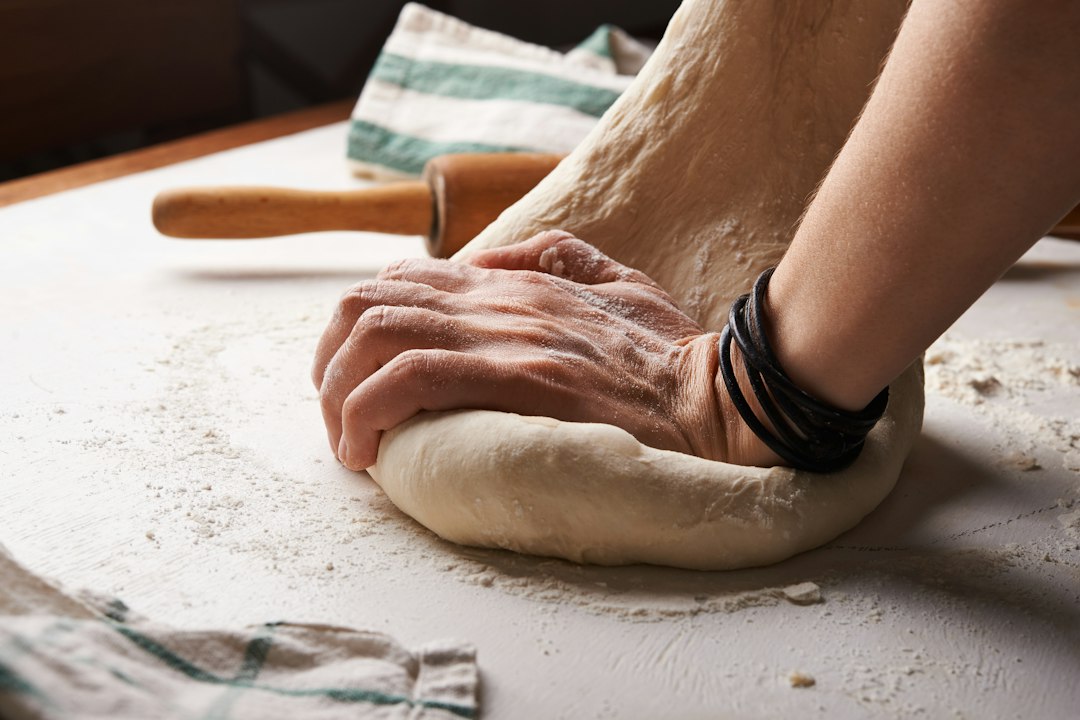
A great pizza starts long before the dough reaches a hot oven. One of the most overlooked steps is also one of the simplest: giving the dough enough time to rest. That pause can make homemade pizza easier to shape, improve the crust’s texture, and help the finished pie develop a more balanced flavor.
If your dough keeps shrinking back when you stretch it, feels tough, or bakes up dense instead of airy, the problem may not be your technique or your recipe. It may simply need more time.
Why pizza dough needs time to rest
When flour and water are mixed, proteins in the flour begin forming gluten, the network that gives dough its structure and elasticity. Kneading helps develop that network, but it also leaves the dough tight and springy. Resting allows the gluten to relax, making the dough less resistant when you stretch it into a pizza base.
Time also gives flour a chance to absorb water more evenly. This can make the dough feel smoother and less rough, especially when it contains a relatively high amount of water. During a longer fermentation, yeast produces gas and flavor compounds that contribute to the dough’s aroma and texture.
The difference between a short rest and a long fermentation
A short rest after mixing or kneading—often around 15 to 30 minutes—can make dough easier to handle. It is particularly useful when the dough keeps snapping back as you shape it. Cover it so the surface does not dry out, then try stretching it again gently.
A longer fermentation is a different step. Depending on the recipe, the dough may rise for several hours at room temperature or ferment in the refrigerator overnight. A cooler, slower rise can help develop flavor while making the baking schedule more flexible. The ideal timing depends on the amount of yeast, the temperature of the room, and the dough formula, so the clock should be a guide rather than the only test.
Signs your dough is ready to shape
- It feels relaxed: When you press or stretch it gently, it does not immediately fight back.
- It has expanded: The dough looks puffier than it did after mixing, although it does not always need to double in size.
- The surface looks alive: Small bubbles may appear, especially after a longer fermentation.
- It stretches without tearing easily: A properly rested dough should extend gradually when handled with care.
Do not rely on any single sign. A dough can rise quickly in a warm kitchen but still need time to relax, while a cool dough may ferment slowly and show fewer obvious bubbles.
What to do if the dough keeps shrinking
Resist the urge to force it into shape. Press it gently from the center outward, leaving a slightly thicker rim for the crust. If it repeatedly springs back, cover it and leave it alone for another 10 to 15 minutes before continuing. This small break is often more effective than adding extra flour or pressing harder.
Also check the dough temperature. Dough taken straight from the refrigerator can be firm and difficult to stretch. Let it sit covered at room temperature until it becomes more pliable, following your recipe’s guidance. Avoid leaving it out for too long in a very warm kitchen, where fermentation can move much faster than expected.
How to avoid overproofing
Resting helps, but more time is not always better. If dough becomes extremely slack, collapses easily, smells sharply alcoholic, or tears with little resistance, it may have fermented too far. It can still sometimes be baked, but it may be harder to shape and less predictable in the oven.
To make timing easier, use a consistent amount of yeast, keep notes on room temperature, and watch how the dough changes. If you plan to refrigerate it overnight, place it in a covered container with enough room for expansion. Bring it out with enough time to become workable before shaping.
A simple routine for better homemade pizza
After mixing and kneading, cover the dough and let it rest briefly. Continue with the first rise or fermentation recommended by your recipe. Divide it into portions if needed, shape each portion into a ball, and allow the dough balls to relax before stretching. Keep them covered throughout the process to prevent a dry skin from forming.
When you are ready to bake, use a well-preheated oven and avoid piling on too much sauce or cheese, which can weigh down the center. A rested dough is easier to handle, but good heat and balanced toppings still matter for a crisp, well-baked base.
The takeaway
Pizza dough does not always need a complicated technique to improve. Often, the key is to stop working it for a while and let time do its job. A short pause can make shaping less frustrating, while a well-managed fermentation can build flavor and texture. The next time your dough feels stubborn, give it a covered rest before changing the recipe—you may find that patience is the missing ingredient.