
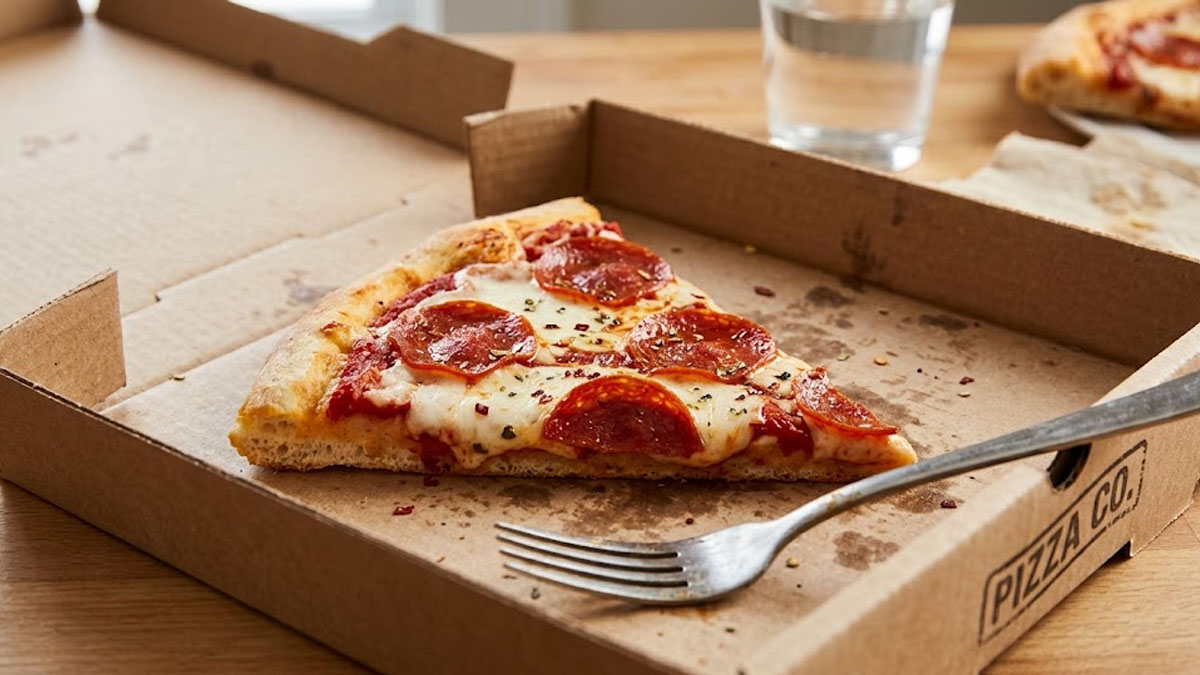
Every pizza lover knows the unwritten rule: late-night pizza is fantastic, but slice-for-slice, morning-after pizza hits different. Whether you eat it straight out of the fridge or give it a quick reheat, that slice resting in the box overnight often boasts a richer, bolder flavor than when it first arrived hot and fresh.
It turns out this isn’t just nostalgia or morning hunger playing tricks on your mind. There is legitimate, fascinating food chemistry happening inside your pizza box while you sleep.
The Magic of Flavor Melding and Aromatic Fusion
When a pizza is freshly baked, its toppings, sauce, and cheese sit in distinct, separate layers. As the pizza cools down in the refrigerator, time allows the chemical compounds within these ingredients to interact on a molecular level.
Aromatic fat-soluble flavor molecules—found abundantly in olive oil, cheese, pepperoni, garlic, and herbs—dissolve into the oils and spread evenly throughout the slice. The tomato sauce loses excess moisture, concentrating its natural sugars and glutamate compounds. Instead of tasting isolated bites of cheese, herbs, or sauce, your palate receives a unified, deeply infused flavor profile where every ingredient complements the other.
How Cheese Fat Trap and Retain Key Aromas
Cheese is primarily composed of milk fat, water, and protein networks. When hot, cheese releases liquid fats that carry volatile aromatic compounds into the air—which is why hot pizza smells so incredible.
However, when cheese cools and hardens, those fats solidify, trapping those trapped aromatic compounds inside the dairy matrix. When you bite into leftover pizza, your mouth warms up these solidified fats, releasing a concentrated burst of flavor directly on your tongue rather than losing them to steam in the air.
The Tomato Sauce Transformation: Acidity vs. Umami
Fresh tomato sauce can sometimes have a sharp, bright acidic punch. Over several hours in the fridge, the natural acids gently mellow out as they react with aromatic compounds from garlic, onions, and spices.
Simultaneously, tomatoes are naturally high in monosodium glutamate (glutamate), the compound responsible for savory umami. As moisture gradually evaporates from the sauce during cooling, the concentration of glutamates increases relative to liquid volume. This shifts the flavor profile of the sauce from sharp and acidic to smooth, rich, and savory.
Crust Chemistry: Starch Retrogradation and Structure
The crust undergoes its own distinct structural evolution overnight through a process known as starch retrogradation.
When pizza dough is baked, starch molecules absorb water and swell (gelatinization), giving fresh pizza its soft, chewy interior. As the slice cools, these starch molecules realign into a tighter, crystalline structure. This process locks in moisture from the sauce while making the dough firm enough to prevent soggy slices. Reheating retrograded crust yields a wonderfully crispy base that holds up under the weight of the cheese far better than fresh dough.
Why Cold Pizza Tastes Completely Different
Eating leftover pizza straight from the fridge offers an entirely different sensory experience. Cold temperature dulls sweetness and extreme saltiness while muting high-acidity notes. This dampening effect allows subtle savory flavors, herbs like oregano and basil, and rich garlic notes to shine through without being overpowered by boiling-hot acidity.
The Ultimate Reheating Technique to Preserve Flavor
If you prefer your leftover pizza warm, avoid the microwave, which turns retrograded starch into a rubbery, gummy mess by heating water molecules unevenly.
- The Skillet Method: Place your slice in a dry non-stick pan over medium-low heat for 3–4 minutes to crisp up the bottom crust.
- The Steam Melt: Add two drops of water to the edge of the pan, cover with a lid for 1 minute, and let the trapped steam gently melt the cheese without softening the crisp base.