
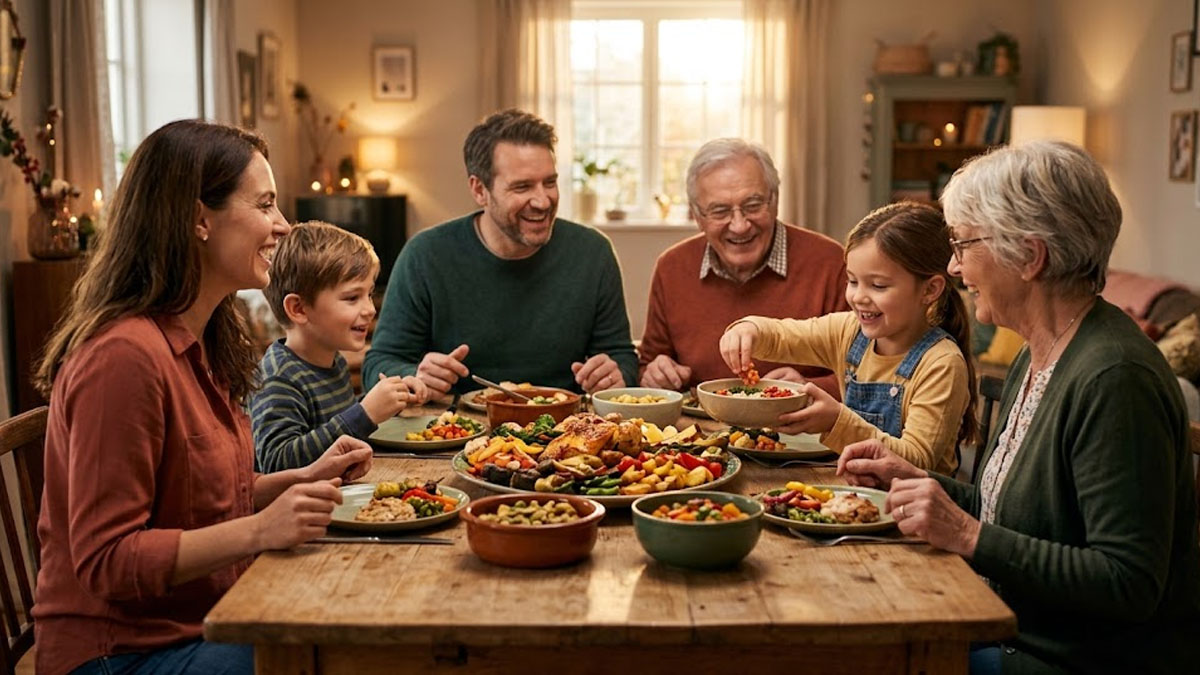
In our fast-paced modern routines, family dinners often get swallowed whole by packed schedules, late work emails, and fatigue. Weekday dinners frequently turn into a logistics exercise getting food onto plates, cleaning up as fast as possible, and rushing off to homework, screens, or bedtime routines. While eating together on weekdays maintains connection, it rarely feels “special.”
However, family life isn’t built solely on the frantic pace of Tuesday nights. By intentionally shifting how you approach dinner just once a week, you can create a centerpiece tradition that anchors your family, builds lasting memories, and makes everyone look forward to gathering around the table.
Enter the power of the Sunday Night Dinner Ritual a dedicated weekend habit that shifts the focus from simple nutrition to genuine connection and relaxation.
Why the Weekend Mindset Matters for Mealtime
During the week, time is our biggest constraint. Meals are often planned around convenience and speed. On weekends, however, time expands slightly, offering an opportunity to lower stress levels and be fully present.
Psychologists and family therapists note that consistent family rituals provide children and adults alike with emotional stability and a sense of belonging. A designated weekend dinner habit acts as a natural buffer between the busy week that just passed and the upcoming week ahead. It signals to everyone that, for a few hours, the world outside can wait.
The Core Habit: The Collaborative Theme Night
The key to making a weekend dinner feel distinctly special without placing an overwhelming cooking burden on one person—is introducing a collaborative theme night. Instead of standard meal planning, weekend meals become a shared experience from preparation to dessert.
Instead of one person spending hours alone in the kitchen, a collaborative theme encourages everyone to take ownership of a piece of the meal. Whether it’s homemade pizza, build-your-own taco bars, fondue nights, or cooking recipes from a specific culture, the emphasis shifts from eating food to experiencing it together.
When children and partners participate in chopping, assembling, or choosing toppings, dinner transforms from a routine obligation into an interactive event.
Creating Atmosphere Without Extra Work
Making a meal feel special doesn’t require fine dining standards or complicated recipes. Atmosphere is driven by sensory cues that contrast with weekday meals.
First, set a soft environmental transition. Turning off bright overhead kitchen lights and lighting a simple candle or playing low background music immediately signals a change in pace.
Second, enforce a strict “screens-off” zone. Keeping phones, tablets, and televisions completely out of sight during this specific meal allows for uninterrupted eye contact and deeper conversation.
Finally, consider serving the meal family-style. Placing large bowls or platters in the center of the table encourages passing dishes around, sharing, and interacting continuously throughout the meal.
Conversation Starters That Go Beyond “How Was School?”
A special meal deserves engaging conversation, but standard questions often yield one-word answers. A central component of this weekend habit is shifting the dialogue away from tasks and schedules.
Instead of asking about grades or chores, try asking open-ended, creative questions that invite storytelling. Questions like “What was the funniest thing that happened to you this week?” or “If we could take a spontaneous trip anywhere next month, where would you go?” encourage laughter and vulnerability.
You can also introduce a weekly reflection prompt, such as asking each person to share one challenge they overcame during the week and one thing they are grateful for.
Extending the Tradition to Cleanup and Dessert
The habit doesn’t end when the last bite of the main course is finished. To maintain the warm, unhurried vibe, carry the collaborative spirit into dessert and cleanup.
Designate a light dessert that everyone can linger over, such as hot cocoa, fruit platters, or baking cookies together while listening to music. Cleanup can be gamified or divided among family members so that the atmosphere remains light and lighthearted rather than feeling like a chore.
When cleanup is treated as part of the overall event rather than a race to finish, family members stay together in the kitchen space longer, prolonging the quality time spent together.
How to Start Small and Keep It Sustainable
The biggest mistake families make when introducing new traditions is making them overly complex. Consistency is far more impactful than perfection.
Start by picking one weekend evening—Friday or Sunday works best for most households and committing to just one month. Keep the menu straightforward during the first couple of weeks while everyone gets used to the new rhythm.
Over time, this single weekend dinner habit will become a beloved household institution a predictable, comforting sanctuary where your family recharges, connects, and creates memories that last long after the dishes are put away.